We’ll explore what to eat after dental surgery, why diet matters during healing, and how to nourish yourself safely and comfortably during this period.
Why your diet matters after dental surgery
Food is fuel for healing. After any dental procedure, your body requires nutrients to repair tissue, reduce inflammation, and support your immune system. However, oral surgery can leave the mouth feeling tender, swollen or sensitive—making eating more challenging in those early days.
Choosing the right foods is not just about comfort; it’s about promoting a smoother recovery and minimising the risk of complications.
The first few weeks after your surgery are a critical window for healing, and a soft, nutrient-rich diet can make a real difference to your comfort and progress.
Tailoring your diet to your procedure
Let’s take a moment to look at how your post-surgical dietary needs may vary depending on the treatment you’ve undergone.
After porcelain veneers
While veneers are a cosmetic treatment, they do involve preparation of the tooth’s surface. In the first few days post-treatment, your teeth may feel more sensitive to temperature or pressure. A softer diet can help minimise discomfort while allowing bonding materials to settle.
To read more: Foods to avoid with porcelain veneers: Protecting your new smile
After All-on-4 dental implants
With All-on-4 treatment, dental implants are placed into the jawbone, often followed by a temporary bridge during healing. Because the implants need time to integrate with the bone (a process known as osseointegration), it’s especially important to avoid putting pressure on them early on.
This means sticking to a soft-food diet for a longer period—usually several weeks or more, depending on your dentist’s recommendations.
After full mouth reconstruction
Full mouth reconstruction often involves a combination of treatments, which may include implants, veneers, crowns, or bridges.
The complexity of the procedure means that healing can vary from patient to patient. A tailored diet plan is often necessary and may involve moving through several phases of texture and nutritional goals.
General dietary guidelines for the first week post-procedure
In the initial days following surgery, you may experience some swelling, bruising, or discomfort. During this time, your goal is to eat foods that are:
- Soft and easy to chew
- Cool or room temperature (not hot)
- Low in acidity and spice
- Rich in nutrients to support healing
- Non-irritating to surgical sites
Foods to eat:
1. Blended or pureed foods
- Mashed potatoes or sweet potato
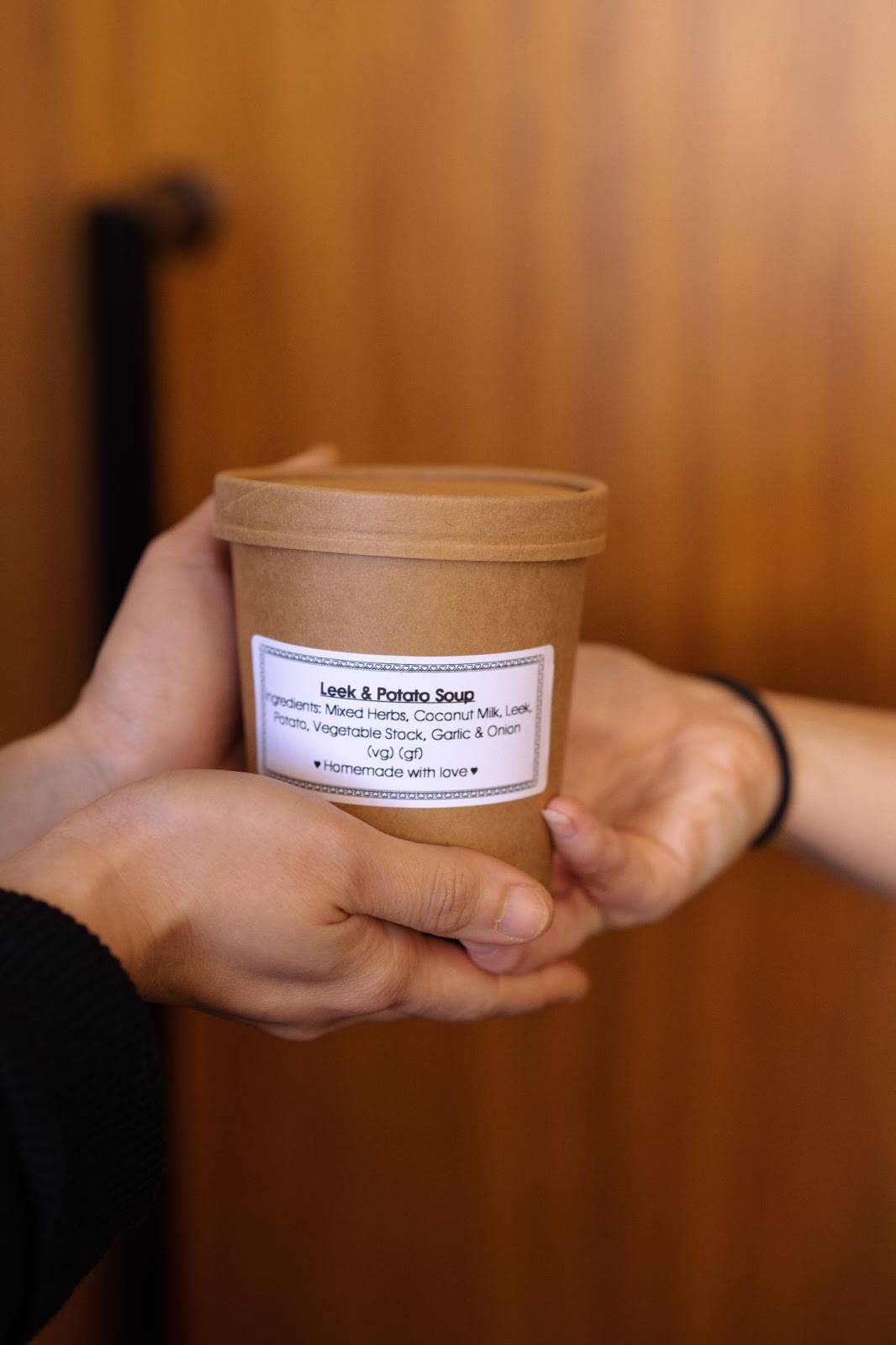
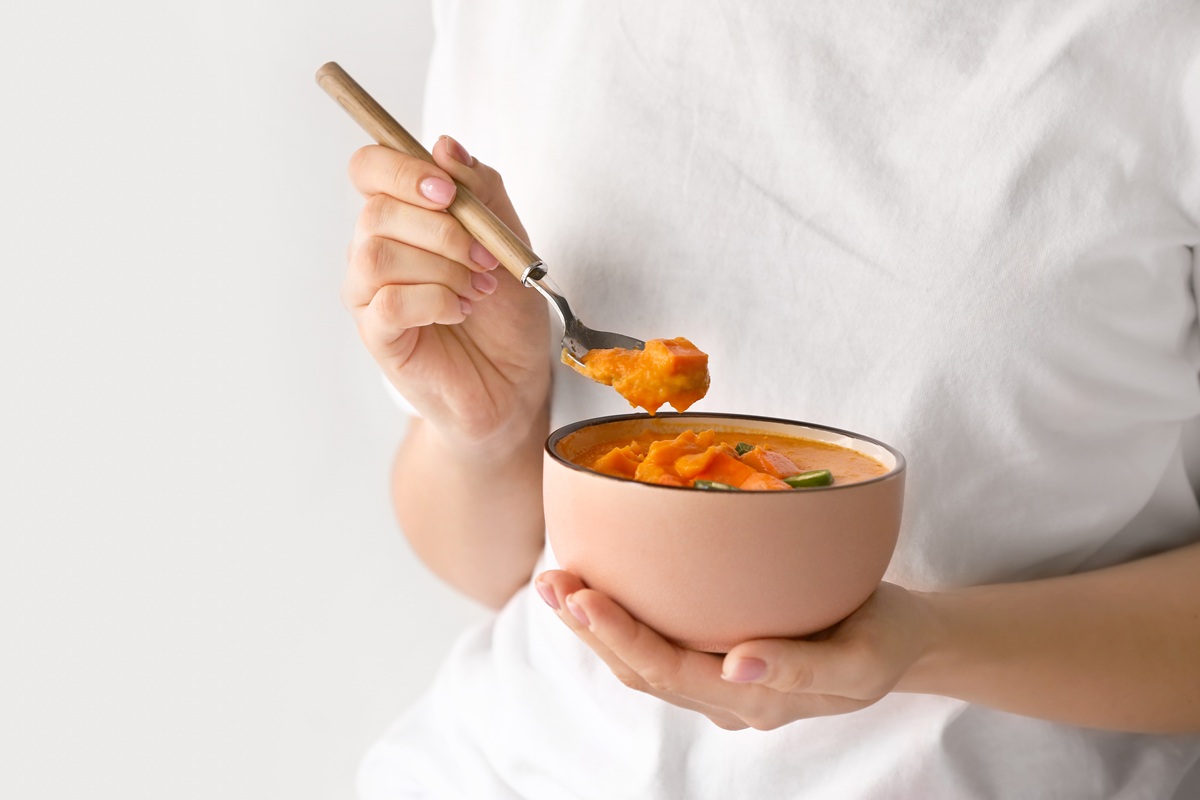
- Pumpkin or carrot soup (lukewarm)
- Smoothies (without seeds or ice)
- Plain yoghurt or custard

2. Soft cooked grains
- Oats or porridge (warm not hot, or room temperature)
- Soft rice or risotto
3. Protein-rich soft options
- Scrambled eggs
- Tofu
- Poached or flaked fish (if permitted by your dentist)
- Protein-rich smoothies (avoiding seeds or hard ingredients)

4. Healthy fats
- Avocado (mashed or blended)
- Nut butters (smooth, not crunchy)
- Olive oil added to soups or purees
5. Hydration
- Water (not too cold)
- Herbal teas
- Coconut water
Hydration is especially important—water helps with tissue healing, reduces the risk of infection, and supports your overall energy levels.
Foods to avoid in the early stages
Certain foods can delay healing, damage dental work, or cause discomfort if introduced too soon. We recommend avoiding:
- Hard or crunchy foods (e.g., nuts, raw vegetables, toast, popcorn)
- Sticky foods (e.g., caramel, chewing gum)
- Hot foods and drinks, as heat can worsen swelling or bleeding
- Acidic or spicy foods (e.g., citrus, curries, tomatoes, vinegar)
- Foods with seeds or small grains that can lodge near surgical areas (e.g., strawberries, seeded bread, chia seeds)
Managing nutrition through different healing phases
While everyone heals at their own pace, many patients find that their diet evolves through three broad phases. Here’s what you might expect:
Phase 1: Liquid to soft food (Days 1–7)
This stage is all about comfort and protection. Stick to cool, soft, and nutrient-rich foods. Avoid anything that requires chewing. Focus on hydration and easy-to-digest meals.
Meal ideas:
- Smoothie bowls (without seeds)
- Blended soups with soft bread
- Yoghurt with apple puree or mashed banana
- Mashed pumpkin with avocado and soft tofu

Phase 2: Soft chewable textures (Weeks 2–4)
As swelling reduces and healing progresses, you may slowly introduce gentle chewing, if advised by your dental team. These should still be soft-textured and not require biting with the front teeth, particularly if you have temporary veneers or a provisional All-on-4 bridge.
Meal ideas:
- Soft pasta with mashed vegetables
- Omelettes with cooked spinach
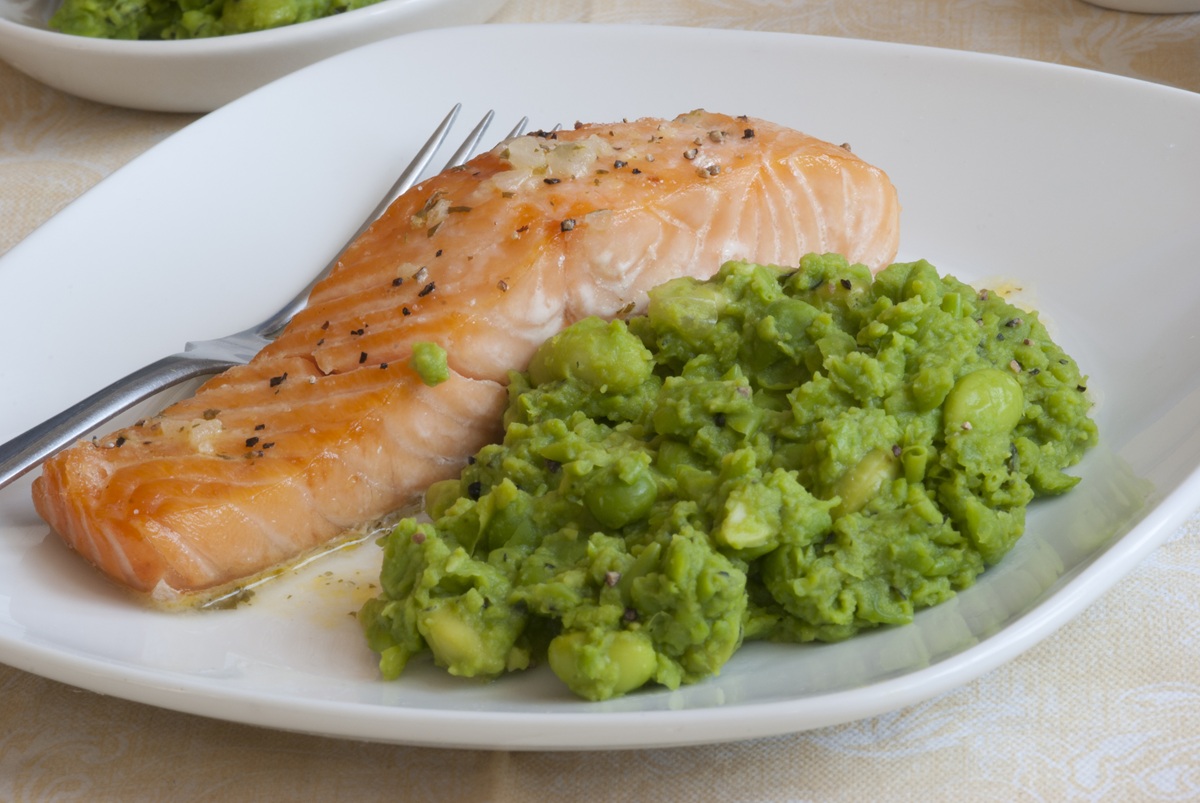
- Flaked fish with mashed peas
- Soft steamed rice with avocado
Phase 3: Transition to a more regular diet (Week 5 onwards)
Once your dentist confirms that your healing is progressing well, you may begin to reintroduce firmer foods. It’s still best to avoid particularly hard or crunchy items until you have received final restorations or been given clear instructions to do so.
Meal ideas:
- Well-cooked meat (shredded or cut into small pieces)
- Soft stir-fries with cooked vegetables
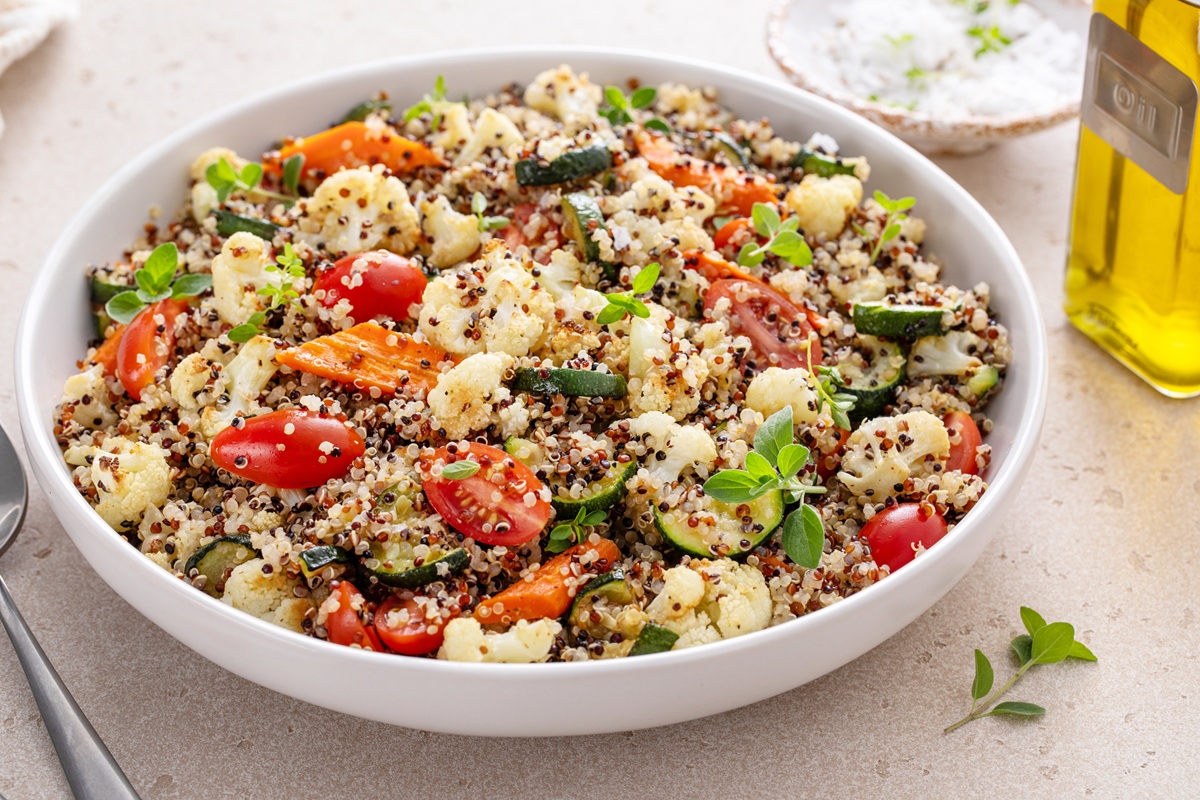
- Quinoa bowls with roasted vegetables
- Soft sandwiches (avoid crusty bread)
Tips to support comfort while eating
- Chew on the opposite side of the mouth if advised, especially during the early healing stage.
- Use small utensils to avoid opening your mouth too wide.
- Eat slowly and mindfully—rushing can increase discomfort or lead to accidental biting near surgical areas.
- Avoid drinking through straws, particularly after implant surgery, as suction can dislodge blood clots (known as dry socket) and interfere with wound healing.
- Follow your personalised care instructions from the team at Advanced Dental Artistry.
Nourishing your body without compromising your healing
Many patients worry about getting enough nutrition when their diet is temporarily limited. Here are some ways to boost nutrient intake during recovery:
- Add protein powder to smoothies, porridge or soups
- Blend cooked greens like spinach into soups
- Use bone broth as a base for soups or grains
- Mash legumes like lentils or white beans for added fibre and protein
- Choose full-fat dairy for extra energy and nutrients
Emotional wellbeing during recovery
It’s completely normal to feel a little frustrated or limited during your recovery—especially if you’re adjusting to new dental work or learning to navigate eating differently.
At Advanced Dental Artistry, we know that the journey to a healthier, balanced smile isn’t just physical. It’s personal.
Be patient with yourself. Healing takes time, and adjusting your diet is just one part of that journey. Each small step you take is part of a broader positive change to your oral health, and our team is here to support you at every stage—from clinical care to compassionate check-ins.
When to seek further support
If you experience any of the following during your recovery, it’s important to contact your dental team for advice:
- Persistent or worsening pain
- Prolonged bleeding
- Signs of infection (such as fever, swelling, or discharge)
- Difficulty swallowing or eating beyond the expected timeframe
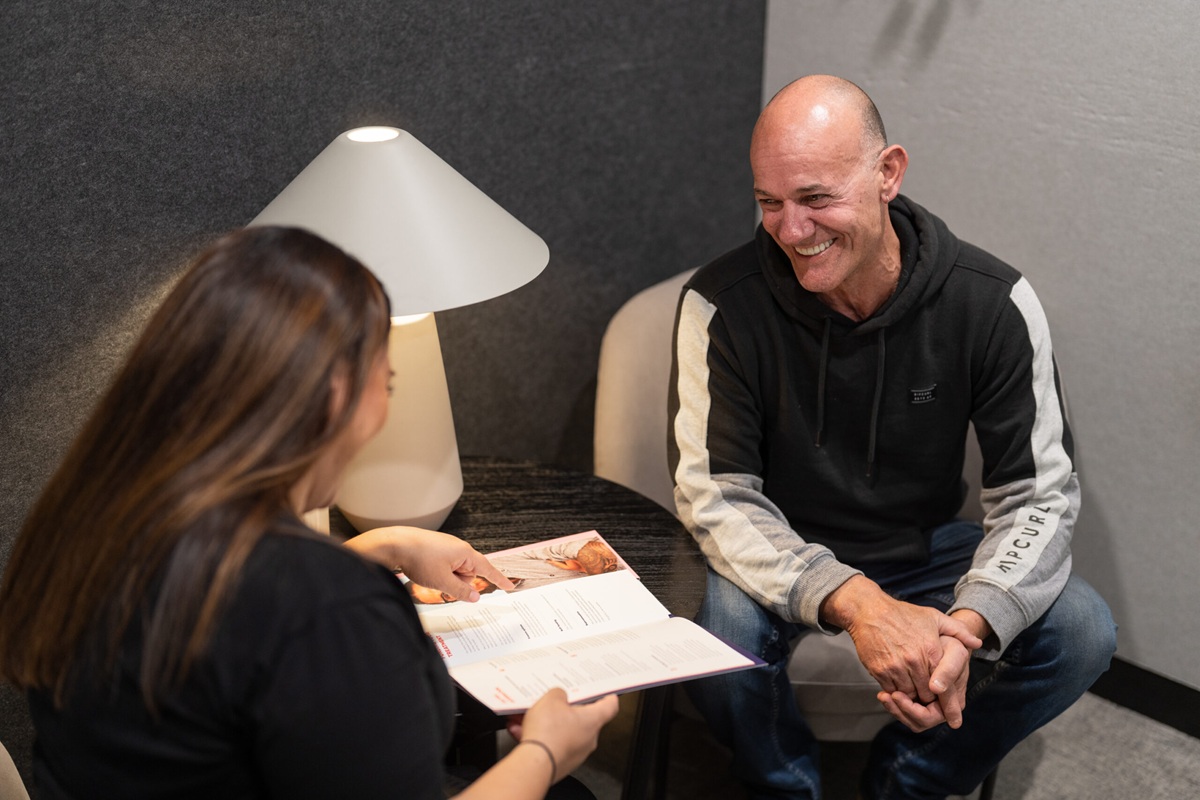
We’re always here to help you feel informed and cared for. Don’t hesitate to reach out with questions or concerns—no matter how small they may seem.
We are here for you on your dental journey
At Advanced Dental Artistry, we’re with you every step of the way. From the moment you walk through our doors to the day you’re ready to enjoy your favourite meals again, our team is committed to guiding you with empathy, knowledge, and care.
If you’re planning treatment and have questions about the healing process—including eating and nutrition—please reach out. We’re here to ensure you feel empowered, supported, and ready for what’s ahead.