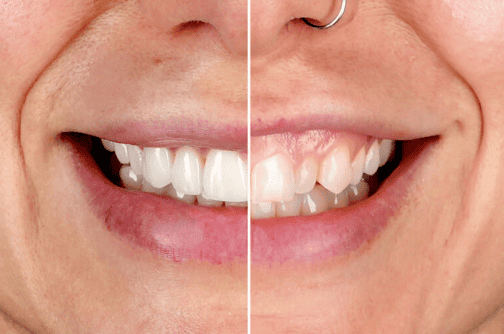

 At Advanced Dental Artistry, we understand that gum health plays a vital role in maintaining strong teeth and overall oral health. Bleeding gums should never be ignored, and with the right care and attention, you may be able to restore gum health and prevent further complications.
Common causes of bleeding gums
Bleeding gums can be caused by several factors, ranging from everyday habits to underlying health conditions. Some of the most common causes include:
- Plaque buildup and gingivitis: The most common reason for bleeding gums is the buildup of plaque along the gumline. If plaque is not removed through daily brushing and flossing, it can lead to gingivitis—an early form of gum disease that causes inflamed gums, redness, and bleeding.
- Brushing too hard: While it is important to brush thoroughly, using excessive pressure or a hard-bristled toothbrush can damage gum tissue, making them more likely to bleed.
- Flossing inconsistently: If flossing is not part of your daily routine, your gums may be more sensitive when you start, leading to temporary bleeding. However, regular flossing strengthens gums over time.
- Hormonal changes: Pregnancy and other hormonal shifts can make gums more sensitive and prone to inflammation, increasing the likelihood of bleeding.
- Certain medications: Blood-thinning medications and some other prescription drugs can make gums more prone to bleeding.
- Nutritional deficiencies: A lack of essential vitamins, such as vitamin C and vitamin K, can contribute to gum problems.
- Underlying health conditions: In some cases, bleeding gums may be linked to conditions such as diabetes, which can affect the body’s ability to fight infection and heal properly.
Gingivitis: the first stage of gum disease
If gums bleed regularly when brushing or flossing, it may be a sign of gingivitis. This early stage of gum disease occurs when plaque and bacteria accumulate along the gumline, causing irritation and inflammation. Common signs of gingivitis include:
- Red, swollen, or tender gums
- Bleeding when brushing or flossing
- Persistent bad breath
- Receding gums
Gingivitis is reversible with good oral care and professional dental cleanings. However, if left untreated, it can progress into periodontal disease, a more serious condition that can lead to long-term damage.

How untreated gum disease can lead to tooth loss
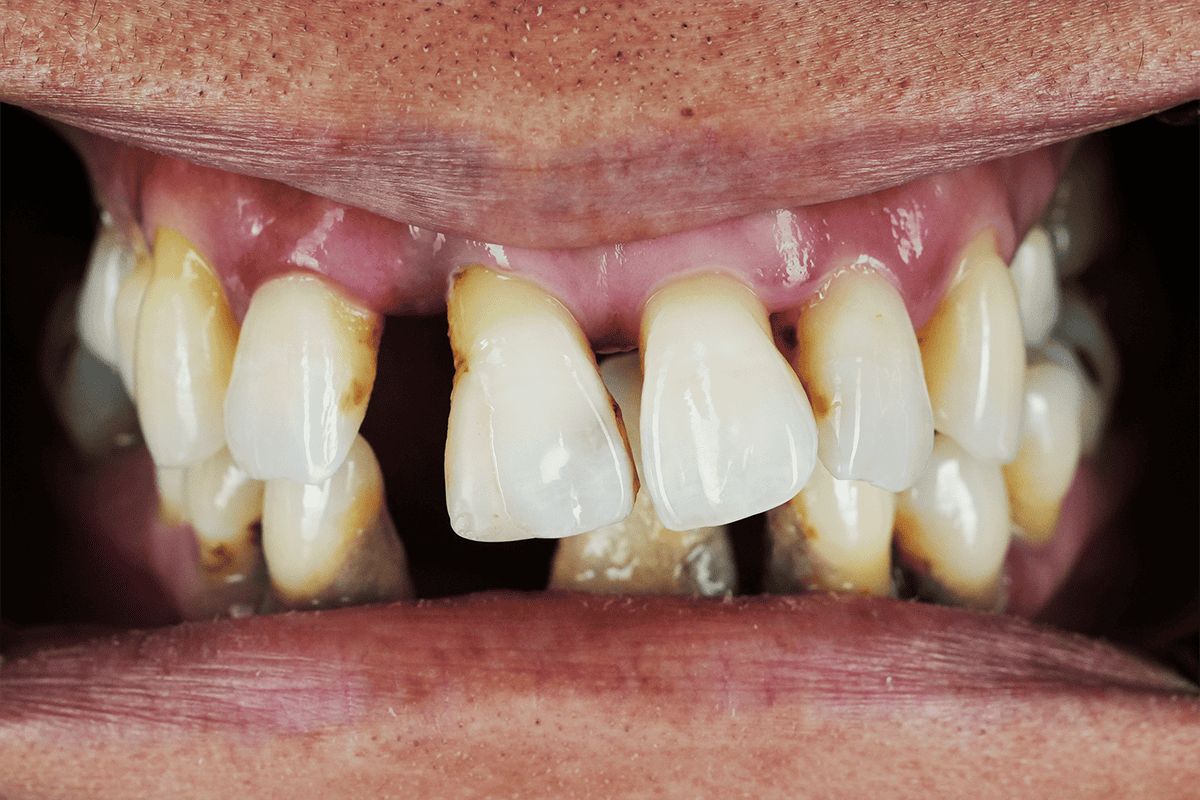
When gingivitis is not addressed, it can develop into periodontal disease, where bacteria spread deeper below the gumline, leading to infection and bone loss. Over time, this can cause the gums to pull away from the teeth, forming pockets where bacteria thrive. As the condition worsens, teeth may become loose and eventually fall out.
Tooth decay and loss due to gum disease not only affects appearance and function but can also lead to further complications, including difficulty eating and speaking.
In cases where multiple teeth are lost, treatment options such as All-on-4 dental implants may be required to restore both oral function and aesthetics.
Preventing bleeding gums and maintaining gum health
Taking a proactive approach to gum health can help prevent bleeding gums and reduce the risk of gum disease.
Here are some key steps to practice good oral hygiene, and keep your gums and teeth in good condition:
1. Brush gently but thoroughly
Use a soft-bristled toothbrush and gentle, circular motions to clean your teeth and gums twice a day. Brushing too aggressively can cause irritation, while brushing too lightly may not remove plaque effectively.
2. Floss daily
Flossing removes plaque and food particles that a toothbrush cannot reach. If your gums bleed when you first start flossing, continue gently each day—over time, they will become stronger and less prone to bleeding. You can opt for regular manual floss, or use a water flosser for those hard to reach areas.
3. Use an antibacterial mouthwash
Rinsing with an alcohol-free antibacterial mouthwash can help reduce bacteria and inflammation, supporting overall gum health.
4. Maintain regular dental check-ups
Professional cleanings remove plaque and tartar that cannot be eliminated with regular brushing and flossing. Visiting your dentist regularly allows for early detection and treatment of gum disease before it progresses.

5. Eat a balanced diet
A diet rich in vitamins and minerals supports gum health. Vitamin C (found in citrus fruits, capsicums, and leafy greens) helps strengthen gum tissue, while vitamin K (found in spinach, broccoli, and eggs) aids in blood clotting and healing.
6. Stay hydrated
Drinking plenty of water helps wash away food particles and bacteria, keeping gums healthy. Dry mouth can contribute to plaque buildup, increasing the risk of gingivitis.
7. Address teeth grinding or clenching
Bruxism (teeth grinding) can place excessive pressure on the gums, leading to irritation and recession. If you suspect grinding, a dental professional may recommend a custom night guard to protect your teeth and gums.
When to seek professional support
If bleeding gums continue despite improved oral care, or if you notice other symptoms such as persistent bad breath, gum recession, or loose teeth, it is important to seek professional advice.
At Advanced Dental Artistry, we provide comprehensive dental assessments to identify and address gum health issues.
Ignoring bleeding gums can allow gum disease to progress, leading to more serious complications, including tooth loss. Addressing the issue early makes treatment more manageable and helps preserve natural teeth for as long as possible.

Restoring your smile after tooth loss
In cases where gum disease has led to tooth loss, treatment options such as All-on-4 dental implants can provide a long-term solution.
This treatment replaces missing teeth with a fixed implant-supported bridge, restoring function and appearance. By stabilising the jawbone and preventing further bone loss, All-on-4 helps create a strong and balanced smile for those who have experienced extensive tooth loss.
For individuals with milder tooth damage or wear, porcelain veneers may also be an option to restore the appearance of teeth affected by gum recession or other issues.
Prioritising gum health for long-term well-being
Healthy gums are the foundation of a strong smile. While occasional bleeding when brushing may not seem serious, it is often an early warning sign that should not be ignored. By maintaining good oral hygiene, attending regular dental visits, and addressing any concerns promptly, it is possible to prevent gum disease and avoid more extensive dental issues in the future.
At Advanced Dental Artistry, we are committed to providing non-judgemental, patient-focused care, helping you achieve and maintain healthy teeth and gums. If you are concerned about bleeding gums or other oral health issues, our team is here to support you with personalised advice and treatment options.
If you have questions or would like to schedule a consultation, we invite you to reach out—taking small steps today can make a big difference in your dental health for years to come.