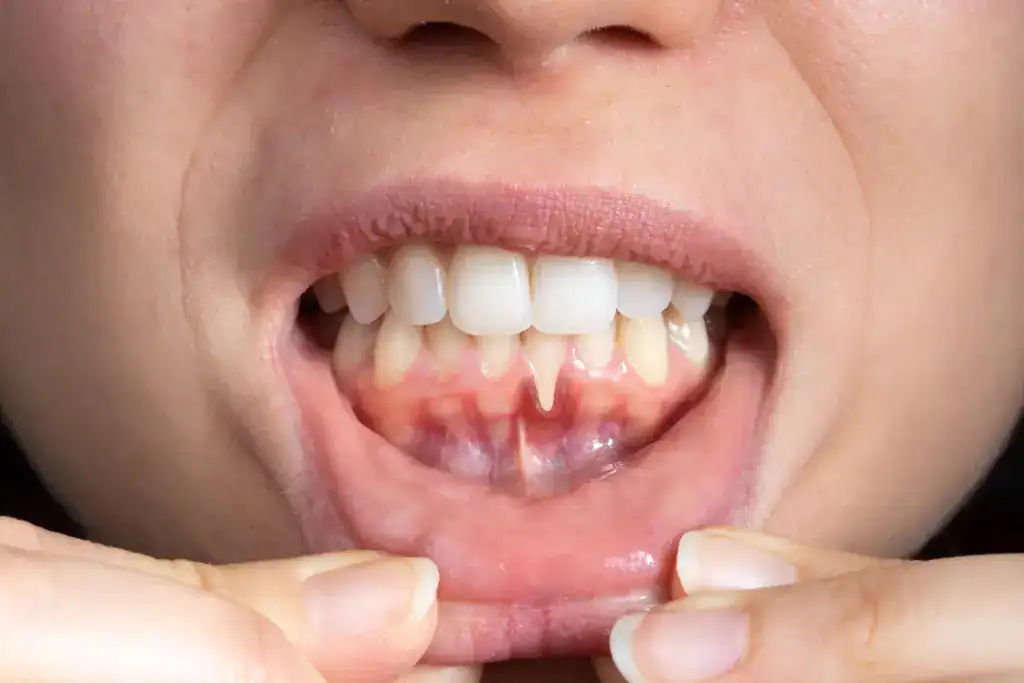
Gum recession is a periodontal condition in which the gums pull back from the tooth surface, exposing the tooth root and making teeth appear longer. It can be a cosmetic concern for some people, and it is also a clinical one. Exposed roots are more vulnerable to decay than enamel-covered surfaces, and recession that is left unmanaged can contribute to tooth loss over time. A common question is whether receding gums can be reversed. Gum tissue cannot regrow on its own, but there are treatments that may help manage progression and, in some cases, rebuild gum coverage.
Gum recession is linked to factors such as the positioning of teeth, having thin bone or gum tissue, or trauma to the gum. These factors can make gums more susceptible to recession over time. Understanding where you are in the process, and what options may be available, is a useful starting point.
Common symptoms
Here are some of the symptoms commonly associated with receding gums.
- Bleeding after brushing or flossing
- Red, swollen, or tender gums
- Gums that appear to be shrinking back from the teeth
- Exposed tooth roots
- Tooth sensitivity to hot, cold, or sweet foods and drinks
- Teeth that feel loose
In some cases, inflamed gum tissue may temporarily mask the appearance of recession. Once inflammation is managed, the extent of recession may become more apparent. Receding gums and other forms of periodontal disease are generally diagnosed by a dentist using a probe to measure the depth of the gum pockets. A typical healthy pocket depth ranges from 1 to 3 millimetres, with anything deeper considered an indicator that warrants further assessment.
Gum Recession Stages: What to Look For
Gum recession tends to develop gradually rather than appearing overnight. It generally progresses through recognisable stages, and earlier identification tends to allow for a broader range of management options.
Stage 1: Mild Recession
What it may look like: Gums may appear slightly red or puffy, with occasional bleeding when brushing. The gum line may have started to pull back slightly, though teeth typically don’t look noticeably longer yet. What it may feel like: Minimal discomfort, with sensitivity that may come and go. What is generally recommended: A review of brushing technique, a soft-bristled toothbrush, and regular professional cleans.
Stage 2: Moderate Recession
What it may look like: Teeth may begin to appear longer, with part of the tooth root visible. Gum pockets may have deepened. What it may feel like: More noticeable sensitivity to temperature and touch, with gums that may bleed more consistently. What is generally recommended: Scaling and root planing to remove plaque and tartar from below the gum line, along with a structured maintenance programme.
Stage 3: Advanced Recession
What it may look like: More significant root exposure, with teeth that may appear elongated and gaps that may have widened. Bone loss may be evident on an X-ray. What it may feel like: Persistent sensitivity, possible discomfort, and teeth that may feel loose. What is generally recommended: Surgical options may be discussed at this stage, which can include gum graft surgery or the Pinhole Surgical Technique, depending on the extent of recession and an individual’s clinical assessment. A referral to a periodontist may be appropriate.
Earlier identification and management of gum recession generally allows for a wider range of treatment options to be considered.
Causes and Risk Factors
There are several potential causes of receding gums.
- Aggressive brushing: A firm-bristled brush or incorrect brushing technique can contribute to gum tissue wearing back over time.
- Inconsistent oral hygiene: Insufficient brushing and flossing can allow plaque to build up along the gum line.
- Genetic factors: Some people have naturally thinner gum tissue, which can make them more prone to recession regardless of oral hygiene habits.
- Teeth grinding (bruxism): Sustained pressure from grinding can place stress on gum tissue and supporting bone.
- Traumatic injury or tooth movement: Direct trauma to the gum, or poorly fitting dental appliances, may contribute to recession in localised areas.
Other associated risk factors can include the following.
- Hormonal changes
- Smoking or vaping
- Diabetes
- HIV
- Medications that cause dry mouth
- Irregular tooth positioning or alignment
Can Receding Gums Be Reversed?
Gum tissue that has receded does not grow back on its own. This is an important point to understand when considering gum recession treatment. However, this doesn’t mean nothing can be done. Certain treatments may help manage the progression of recession, and in some cases, gum coverage may be rebuilt using the body’s own tissue or other techniques. The general aim of treatment is to address the underlying cause, help stabilise the condition, and where appropriate, work towards restoring gum coverage and comfort.
How to prevent receding gums
If you are concerned about poor oral hygiene, gum recession, prevention and early assessment can both play a role. Habits that may help support gum health include the following.
- Using a soft-bristled toothbrush and a gentle brushing technique
- Avoiding smoking and vaping
- Attending regular dental check-ups and professional cleans
- Using fluoride toothpaste and an antiseptic or fluoride mouthwash
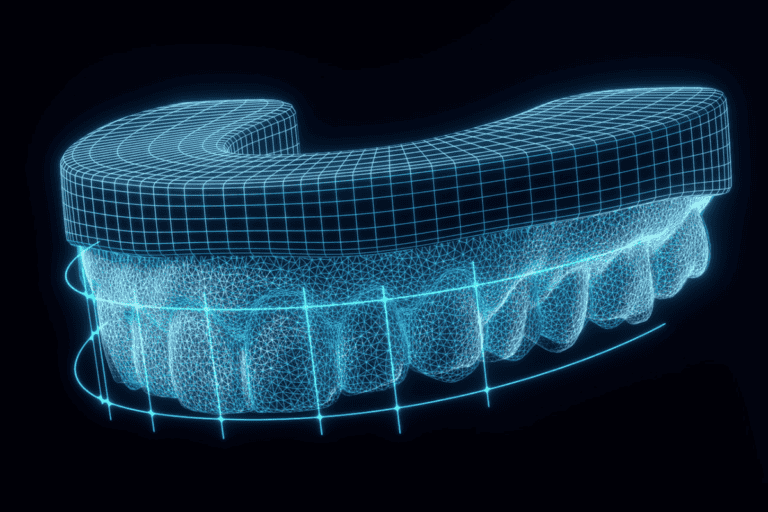
- Wearing a custom night guard if you grind your teeth
- Replacing ill-fitting partial dentures or orthodontic appliances
If you’re unsure where your gum health currently stands, a consultation with a dentist is a sensible starting point. They can take measurements, look for early signs of recession, and discuss a plan suited to your situation. To read more: How To Stop Grinding Teeth in Sleep
Receding Gums Treatment Options
How receding gums are managed depends on the underlying cause and how far the condition has progressed. Treatment can range from changes to home care and professional cleans through to surgical options.
Improved Oral Hygiene and Lifestyle Changes
Where aggressive brushing or technique is a contributing factor, an initial step is often refining the oral hygiene routine. This may involve switching to a soft-bristled brush, adjusting brushing technique, using toothpaste designed for sensitive teeth, and attending regular professional cleans. These changes alone won’t reverse existing recession, but they may help reduce the likelihood of further progression.
Non-Surgical Treatments
Non-surgical options for managing gum recession can include topical antibiotics and antimicrobial mouth rinses, which may help reduce bacterial load. These are typically used alongside professional cleaning rather than as a standalone approach.
Scaling and Root Planing
Scaling and root planing is commonly considered for early to moderate recession. Scaling involves removing plaque and tartar from the tooth surface and below the gum line. Root planing then smooths the root surface, which may help the gum tissue reattach. This is a non-surgical procedure typically performed under local anaesthetic, and may be carried out over one or more appointments depending on the extent of build-up.
Gum Graft Surgery
For more advanced cases, gum graft surgery involves taking a small amount of tissue, often from the roof of the mouth, and using it to help rebuild the gum line in areas affected by recession. The grafted tissue is intended to integrate with the existing gum during healing. As with any surgical procedure, individual results and healing times vary, and your dentist or periodontist can discuss what to expect based on your specific situation.
The Pinhole Surgical Technique
The Pinhole Surgical Technique, sometimes referred to as PST, is an alternative approach to managing gum recession that some patients may wish to discuss with their dentist. Unlike traditional grafting, PST does not involve incisions, sutures, or donor tissue taken from the palate.
Instead, a small instrument is used to create a tiny entry point in the existing gum tissue. Through this point, the gum is gently loosened and repositioned to help cover the exposed root surface. Collagen material may be placed to help support the gum in its new position during healing.
Some general features of the Pinhole Surgical Technique include the following.
- No scalpels or sutures, and no tissue taken from the palate
- More than one tooth may potentially be treated in a single session
- Recovery time may differ from traditional grafting, depending on the individual case
PST is not widely available in Australia, and suitability varies between individuals. Whether it is appropriate depends on the extent and pattern of recession, as well as overall gum and bone health. A thorough clinical assessment with a dentist or periodontist is needed before any surgical option is considered.
Veneers and dental implants
If you are experiencing negative effects from gum recession, the first port of call is visiting your dentist to determine the underlying cause and best course of treatment. Once poor oral hygiene is corrected, some great cosmetic treatments to restore your smile can be offered. This is where Advanced Dental Artistry’s porcelain veneers and dental implants come in.
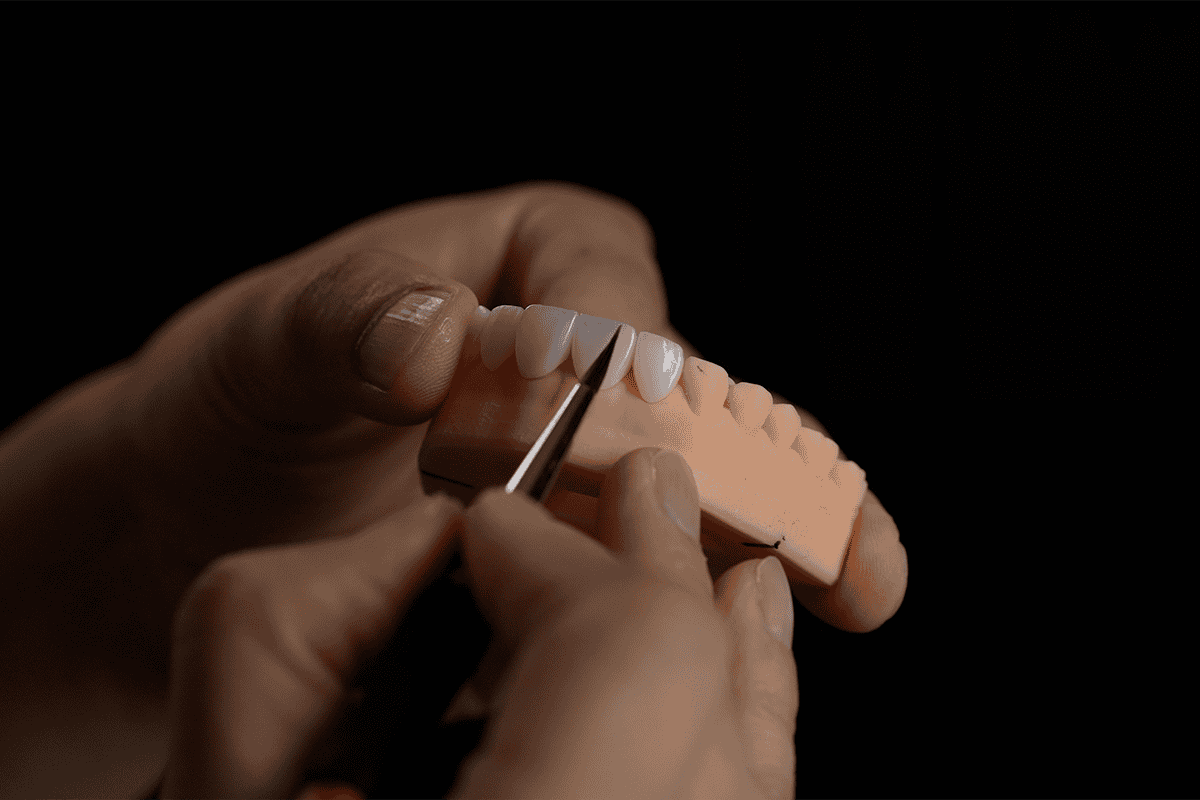
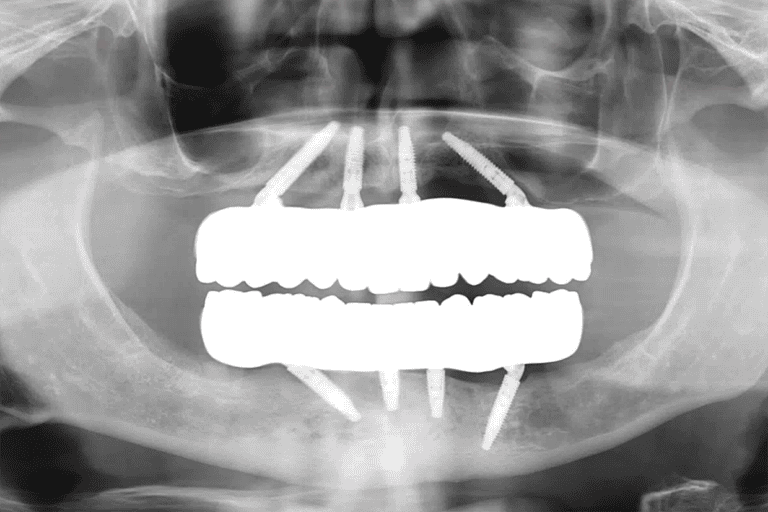
Our hand-crafted porcelain veneers can help restore a more natural, uniform look to your smile with high-quality materials that fix the problem of yellowed, chipped, or cracked teeth. Our specially designed dental implants are the perfect solution for loose or missing teeth that can result from gum recession. The bespoke implants are expertly crafted to suit your face and mouth, providing you with a smile with a natural look and feel.
Post-Surgery Recovery: What to Expect
Recovery after gum surgery, whether a traditional graft or the Pinhole technique, varies between individuals. Many patients are able to return to their normal routine within a period of days to around a week, though this depends on the procedure and individual healing. Here is some general information about what recovery may involve.
Timeline
The first 24 to 48 hours often involve the most sensitivity and swelling. Discomfort during this period is generally manageable with over-the-counter pain relief, as directed by your dentist. By days 3 to 5, swelling typically begins to reduce, and light activity can usually resume. Full tissue healing can take several weeks, with a review appointment often scheduled at around the two-week mark.
Diet Considerations
In the days following surgery, soft foods are generally recommended, such as yoghurt, mashed potato, soup, and scrambled eggs. It’s generally advised to avoid hard, crunchy, sticky, very hot, spicy, or acidic foods during this period. Alcohol is also generally avoided during initial healing. Your dentist will provide specific guidance based on the procedure performed.
What’s Generally Expected vs. What to Watch For
What may be expected during recovery includes the following.
- Mild swelling and bruising in the first 48 hours
- Some tenderness at the treatment site
- Light bleeding that settles within a short period
- Temporary sensitivity
Contact your dentist if you notice any of the following.
- Bleeding that doesn’t settle or appears to be worsening after the first few hours
- Signs that may indicate infection, such as increasing pain, heat, or discharge
- Swelling that appears to be getting worse rather than better after 48 hours
- A graft that feels loose or displaced
Your dental team will provide tailored post-operative instructions specific to your procedure. Following this guidance is an important part of supporting your recovery.
Cosmetic Options After Gum Recession
Once gum health has been assessed and stabilised, some patients may wish to discuss cosmetic options that can address the appearance of teeth affected by recession. Porcelain veneers are one option that may be discussed with your dentist, depending on individual circumstances. For patients who have experienced tooth loss associated with gum disease, dental implants may also be discussed as part of a broader treatment plan. Your dentist can advise on whether these options may be appropriate for you, following an assessment of your oral health.
Cost and Health Fund Cover in Australia
The cost of gum recession treatment in Australia varies depending on the severity of the condition, the treatment required, and the level of specialist involvement. As a general guide, the following gives an indication of typical considerations.
- Scaling and root planing: Typically charged per tooth or per quadrant, with costs varying by clinic and extent of treatment.
- Periodontal consultation: Generally ranges from approximately $190 to $435 or more, depending on the clinic and whether X-rays or charting are required.
- Gum graft surgery: Costs vary depending on surgical complexity. Your dentist or periodontist can provide a specific quote based on individual assessment.
- Pinhole Surgical Technique: Costs vary. As a specialised procedure, a personalised quote is generally provided following a consultation.
Medicare does not cover routine dental treatment, including most gum recession procedures. Private health insurance with extras cover may contribute to some periodontal treatment costs, though this depends on your specific policy and fund. It is worth checking with your insurer before proceeding. Your dental practice can provide relevant item numbers, and many funds allow a pre-approval or estimate to be requested before treatment begins.
Some clinics also offer payment plan options, so if cost is a consideration, it is worth asking about flexibility when booking a consultation.
Looking After Your Gum Health
Periodontal disease and gum recession are more common than many people realise, and both tend to progress gradually, which is part of why early assessment matters. Whether you’ve noticed early signs of sensitivity, have questions about the appearance of your gum line, or are looking to understand your options following a recent diagnosis, speaking with a dental professional is a good first step.
At Advanced Dental Artistry in West Perth, our team takes a considered approach to gum health, from prevention and non-surgical treatment through to restorative options where appropriate. If you’d like to find out more about how we may be able to help, reach out to our team to book a consultation.
Frequently Asked Questions
Can receding gums grow back naturally?
No. Gum tissue does not regenerate on its own once recession has occurred. What can be done is to help stop further recession through improved oral hygiene and professional treatment, and in some cases, a dentist may discuss options to help rebuild gum coverage using techniques such as gum grafting or the Pinhole Surgical Technique. Suitability for these options depends on individual assessment.
How do dentists treat receding gums?
Treatment depends on the stage and underlying cause of the recession and is determined following individual clinical assessment. Mild cases may be managed with improved brushing technique, scaling and root planing, and a structured maintenance programme. More advanced recession may involve discussion of gum graft surgery, where tissue is used to help rebuild the gum line, or the Pinhole Surgical Technique, an alternative approach that doesn’t involve incisions or sutures. Your dentist can advise on the most appropriate option for your individual circumstances.
How can I reduce sensitivity caused by gum recession?
Sensitivity from exposed tooth roots may be eased in some cases by using a toothpaste formulated for sensitive teeth, avoiding very hot, cold, or acidic foods and drinks, and using a soft-bristled brush with a gentle technique. These measures may help manage symptoms, though they don’t address the underlying recession itself. Discussing treatment for the recession, such as deep cleaning or a surgical option, with your dentist is generally the more direct way to address the cause of sensitivity. In-clinic fluoride treatments may also be discussed as an option.
How much does it cost to fix receding gums in Australia?
Costs vary depending on the treatment required and the severity of the recession. Periodontal consultations generally range from around $190 to $435 or more. More involved treatments, such as gum graft surgery or the Pinhole Surgical Technique, are generally higher in cost, and your dentist can provide a personalised quote following a clinical assessment. Medicare does not cover these procedures, though private health insurance with extras cover may contribute, depending on your policy. Your dental practice can provide relevant item numbers so you can check with your fund before proceeding.
What is the difference between gingivitis and gum recession?
Gingivitis is an early form of gum disease involving inflammation, redness, and bleeding of the gum tissue. With professional treatment and improved oral hygiene, gingivitis is generally considered reversible. Gum recession refers to the physical pulling back of the gum from the tooth surface, which is a structural change that does not reverse without treatment. Gingivitis that is left untreated can progress to periodontitis, which may in turn contribute to or accelerate gum recession.