This article walks through some of what’s shaping smile design in 2026: digital smile design, ultra thin veneers, gum contouring. It’s a general overview, not a recommendation. Whether any of it applies to your teeth and gums comes down to your own oral health, and that’s something only a dentist can assess after an examination and consultation.
Digital Smile Design
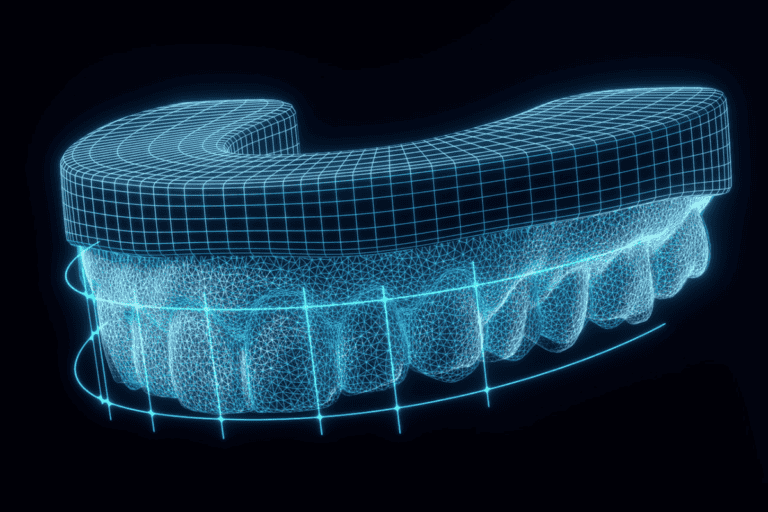
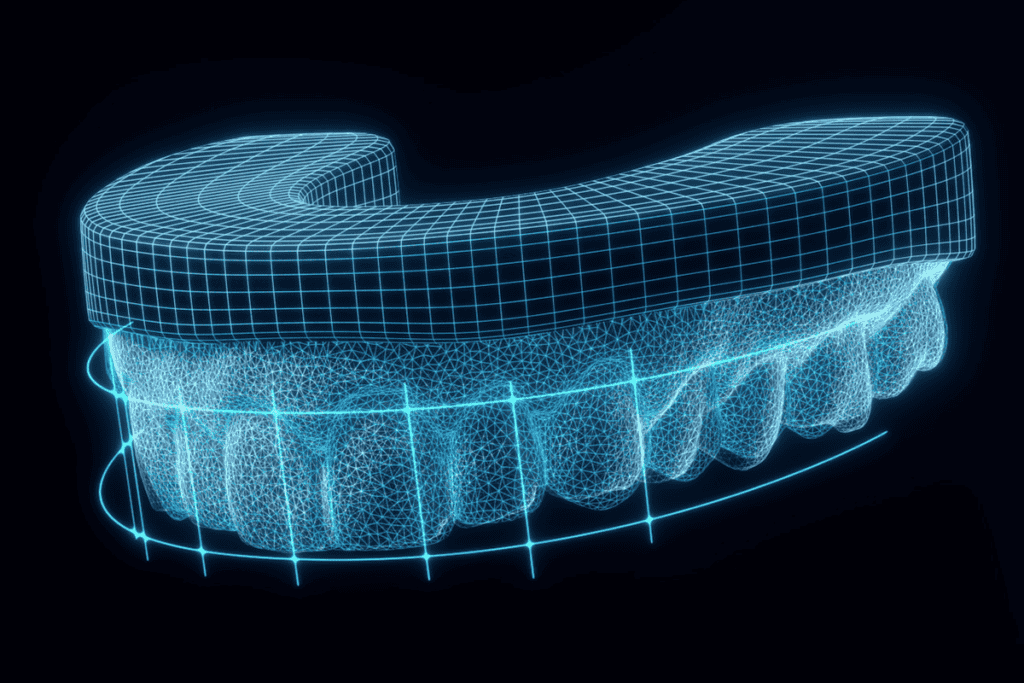
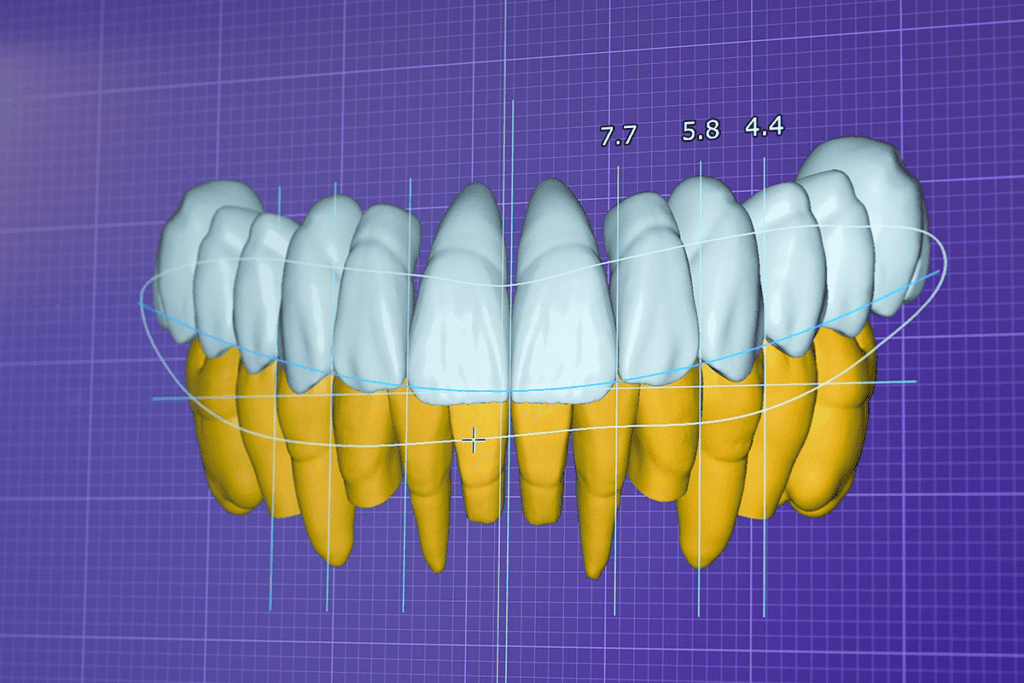
Digital smile design has been one of the more talked-about developments in recent years, and it’s kept growing through 2026. Broadly, it means using digital photography, video and specialised software to analyse how a person’s face, lips, gums and teeth relate to each other.
During a consultation, a dentist might take a series of photographs and measurements, mapping how different elements of a smile sit together. The software flags proportions, symmetry, alignment, then generates a digital preview of potential changes to tooth shape, size or position. Worth being clear on one thing though: that preview is a planning and communication tool. Nothing more. It helps a dentist and patient talk through options and expectations before treatment starts, but the actual outcome of any dental work depends on biological factors that vary from person to person.
Why has it caught on so widely? Mostly because it supports clearer conversations. Patients get a better sense of what’s actually involved before committing to anything, and dentists work from more detailed information, both on existing tooth structure and facial proportions.
Ultra Thin Veneers
Veneers have been around a long time. What’s changed is the direction they’ve moved in, thinner, more conservative, less invasive.
Traditional veneers usually need some reduction of the natural tooth surface to make room for the material. Ultra thin veneers (sometimes called minimal prep veneers) are made considerably thinner, often somewhere between 0.3 and 0.5 millimetres. Depending on the case, that can mean less natural tooth needs to be removed before fitting.
Not every case suits this approach. Whether it’s appropriate depends on the condition, shape and alignment of a person’s teeth, along with their bite, and that’s something a dentist needs to work out individually rather than assume. As with any cosmetic treatment, it’s worth talking through the options, materials and likely outcomes with a dentist before settling on a path.
Gum Contouring
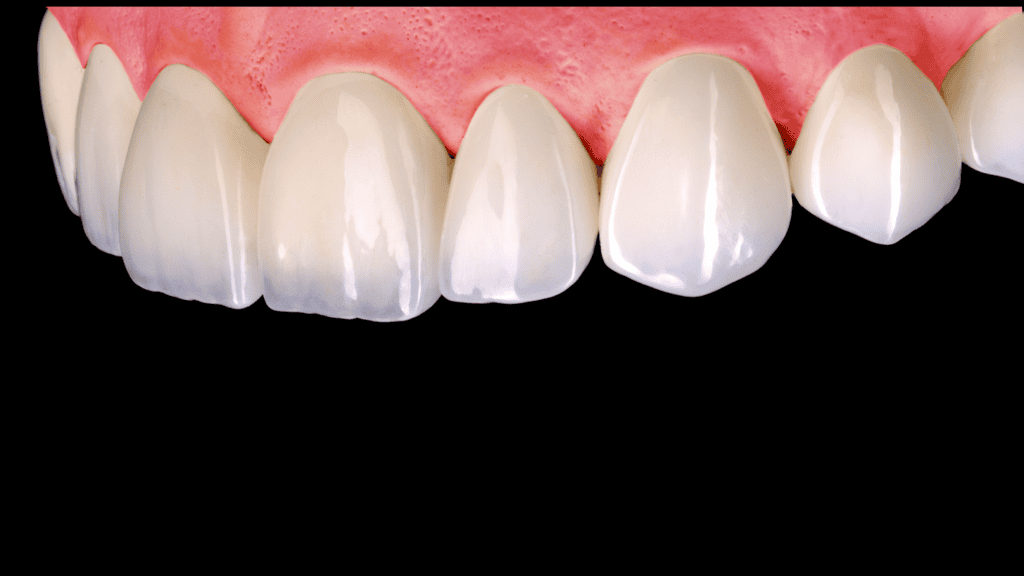
A smile isn’t only about the teeth. How much gum tissue shows, and the shape of the gum line, plays into how a smile looks overall. Gum contouring, often done with laser technology, has become a more prominent part of that conversation.
Laser gum contouring reshapes areas of gum tissue to adjust the gum line. It might come up where someone has an uneven gum line, where more gum tissue shows than tooth structure, or where the balance between the two affects the overall look of a smile. But gum health comes first, always. Healthy gums are the foundation for any cosmetic work, so a dentist would check for gum disease or other concerns before even discussing whether contouring makes sense in a particular case.
A Move Toward More Personalised Smile Design
Maybe the broadest trend running through cosmetic dentistry in 2026 is this: a shift away from one-size-fits-all smiles toward something built around the individual. Not a single, uniform look, but a design shaped by a person’s own features, their lips, jawline, skin tone, the proportions of their face as a whole.
This ties closely into digital smile design, since the software used for planning can account for these details directly. Two people considering similar treatments, veneers or whitening, say, might end up with quite different results. Same starting point, different faces, different outcomes.
A Few Other Shifts Worth Knowing About
Digital manufacturing is one. Advances in 3D printing and in-office digital milling mean some restorations, crowns or veneers among them, can now be designed and made using digital systems within the same practice. Sometimes that cuts down the number of appointments needed. Sometimes it doesn’t; it still depends on the treatment and the person.
Then there’s staged treatment planning. Rather than treating cosmetic work as one big event, plans are increasingly built in stages, general oral health first, then whitening, then veneers or gum contouring further down the track if they’re still relevant. Gives people time to weigh things up as they go, rather than deciding everything up front.
What This Means If You’re Considering Cosmetic Dentistry
Easy to get fixated on one specific technique before asking whether it’s actually relevant to your own teeth and gums. Understandable, but not really where to start.
The starting point is always the same, regardless of which trend caught your eye: an examination of your oral health, a conversation about what you’d like to understand or explore, and an honest discussion of what’s actually worth considering. Not every trend applies to every person. A dentist can explain why a particular approach might, or might not, suit your situation.
Finding Out More
Cosmetic dentistry keeps moving. 2026 has brought a stronger focus on digital planning, more conservative treatment options, and smile designs built around the individual rather than a template.
If you’re curious about any of this, digital smile design, ultra thin veneers, gum contouring, and want to understand how it relates to your own oral health, the team at Advanced Dental Artistry in West Perth can talk it through during a consultation. To learn more about the cosmetic dental services available, or to arrange a time to discuss your smile, contact us or book your consultation today.