
For many people, balancing busy work schedules, family life and everything in between, oral hygiene practices can sometimes slip down the list of daily priorities. Yet the connection between oral health and digestion is closer than many people realise and understanding it can help you make informed choices about your day-to-day dental care routine.
In this article, we look at how digestion begins in the mouth, what can happen when oral hygiene practices are neglected, the relationship between gum disease and gut health, how tooth pain or missing teeth can shape the foods we choose, and some practical habits that support both oral health and nutrition over time.
Digestion Begins in the Mouth
It might seem obvious, but it’s worth pausing on. Every meal we eat begins its digestive journey in the mouth, well before it reaches the stomach. The way food is broken down at this very first stage can set the tone for the rest of the digestive process.
Chewing: The First Mechanical Step
Chewing, or mastication, breaks food down into smaller pieces and increases its surface area. This makes it easier for digestive enzymes further along the digestive tract to act on the food. When chewing is rushed, uneven, or uncomfortable because of dental issues, food can arrive in the stomach in larger pieces than it ideally would, which may mean the stomach and intestines need to work harder to continue the process.
Saliva: More Than Just Moisture
Saliva plays an active role in digestion too. It contains enzymes, including one called amylase, which begins breaking down starches and carbohydrates while food is still in the mouth. Saliva also helps soften food so it can be swallowed comfortably, and it plays a part in neutralising acids that can affect tooth enamel.
When saliva production is reduced, whether due to dehydration, certain medications, or other factors related to oral health and hygiene, this first stage of digestion may not work quite as effectively as it could.
A persistently dry mouth, often referred to as xerostomia, can also affect dental health more broadly. Saliva helps rinse away food particles, neutralise acids and limit the growth of bacteria, so when there isn’t enough of it, the mouth becomes more vulnerable to tooth decay, gum disease and bad breath. Dry mouth can also make chewing, swallowing and even speaking feel more difficult. It can be caused by a range of factors, including certain medications, dehydration, breathing through the mouth during sleep, or some underlying medical conditions. If you regularly notice a dry or sticky feeling in your mouth, it’s worth mentioning to your dentist, as there are ways to help manage it and support healthy saliva flow.
How Poor Oral Hygiene Practices Can Disrupt Digestion
Oral hygiene practices, such as brushing, flossing, and attending regular dental check-ups, are often talked about in terms of preventing cavities or keeping breath fresh. However, these everyday habits also have a role to play in supporting healthy digestion.
A Build-Up of Bacteria
The mouth is naturally home to a wide variety of bacteria, most of which are harmless under normal conditions. When oral hygiene practices are inconsistent, bacteria can accumulate on the teeth and gums in the form of plaque. Over time, some of this bacteria is swallowed along with food and saliva, travelling into the digestive tract.
While the digestive system has its own defences against bacteria, an ongoing change in the types and amounts of bacteria entering the gut from the mouth may contribute to shifts in the gut environment over time.
Tooth Decay and Eating Comfort
Tooth decay that’s left untreated can lead to sensitivity or discomfort when eating, particularly with hot, cold, or sweet foods. This discomfort can lead some people to chew less thoroughly, favour one side of the mouth, or avoid certain foods altogether, all of which can influence how food is broken down before it reaches the stomach.
Gum Disease and Gut Health: Understanding the Link
Gum disease, also known as periodontal disease, ranges from mild gum inflammation, often called gingivitis, through to more advanced disease affecting the structures that support the teeth, known as periodontitis. Beyond its effects on the mouth, there is growing research interest in how gum disease and gut health may be connected.
Inflammation and the Gut Microbiome
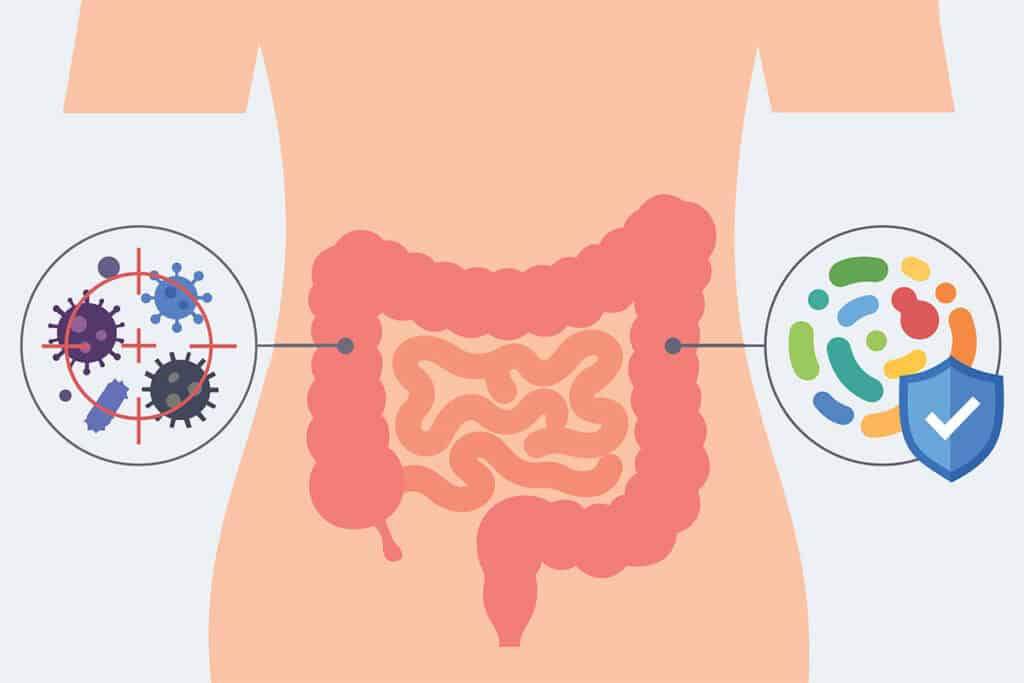
When gum tissue becomes inflamed, bacteria associated with gum disease can enter the bloodstream or be swallowed into the digestive tract. Researchers have been exploring whether these bacteria may influence the balance of the gut microbiome, the community of microorganisms living in the digestive system that play a role in digestion and immune function.
Some studies have looked at possible associations between gum disease and digestive conditions such as irritable bowel syndrome and inflammatory bowel disease. This remains an area of ongoing research, and individual experiences can vary considerably from person to person.
Why This Matters for Everyday Health
The takeaway here isn’t that gum disease directly causes digestive conditions, but rather that the mouth and the gut are part of one connected system. Looking after your gum health through consistent oral hygiene practices and regular dental check-ups is one part of a broader, whole-body approach to wellbeing.
The links between gum disease and the rest of the body extend well beyond the digestive system. A substantial body of research has established that periodontal disease is associated with an increased risk of several other health conditions, including coronary artery disease and other forms of cardiovascular disease, respiratory conditions such as pneumonia, and cognitive conditions such as Alzheimer’s disease. Research has also identified a link between periodontal disease and erectile dysfunction in men. The exact mechanisms behind these associations are still being studied, but together they highlight just how closely gum health is tied to overall health, reinforcing why consistent oral hygiene practices and regular dental check-ups matter for far more than the mouth alone.
How Tooth Loss or Tooth Pain Affects Food Choices and Nutrition
For many people, the link between oral health and nutrition becomes most noticeable when the simple act of eating becomes difficult.
Avoiding Certain Foods
Tooth pain, sensitivity, or missing teeth can make it harder to bite into and chew certain foods. Fresh fruits, vegetables, nuts and lean meats, foods that often require more chewing, may be among the first to be avoided in favour of softer, more processed alternatives.
Over time, this shift in food choices can affect the variety and balance of nutrients in a person’s diet. Fibre intake is commonly affected, as many high-fibre foods naturally require more chewing.
The Flow-On Effect
When chewing is compromised, more work is left for the stomach and intestines to break food down into nutrients the body can absorb. Combined with a diet that may be lower in fibre and certain vitamins and minerals due to food avoidance, this can create a flow-on effect that touches both oral health and nutrition and broader digestive comfort.
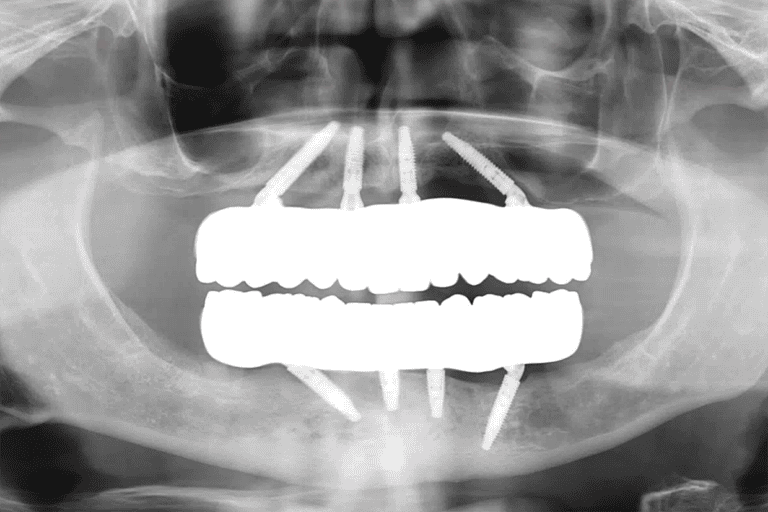
This is one of the reasons addressing tooth pain, decay or missing teeth isn’t only about comfort or appearance. Restoring the ability to chew comfortably may support a return to a wider range of food choices over time.
Oral Hygiene Practices That Support Whole-Body Health
The encouraging news is that many of the habits that support oral health and hygiene are straightforward to build into daily life. Some practical starting points include:
- Brushing twice a day with a fluoride toothpaste, using gentle, circular motions
- Cleaning between the teeth daily, using floss or interdental brushes, to remove plaque a toothbrush can’t reach
- Staying hydrated throughout the day, as water supports healthy saliva production
- Including a variety of fibre-rich foods, such as vegetables, fruit, and whole grains, where chewing comfort allows
- Limiting frequent snacking on sugary or highly processed foods, which can contribute to tooth decay
- Attending regular dental check-ups, so any early signs of decay or gum disease can be identified and discussed
These oral hygiene practices work together. Brushing and flossing help reduce the build-up of bacteria, a balanced diet supports the health of teeth and gums, and regular check-ups help keep small issues from developing into bigger ones.
Looking After Your Oral Health and Digestive Wellbeing
The mouth and the digestive system are more closely connected than many people realise. From the first bite of food to the way nutrients are eventually absorbed, oral health and digestion are part of the same ongoing process.
If you have questions about your oral hygiene practices, or you’ve noticed changes such as tooth sensitivity, gum tenderness, or discomfort while eating, a conversation with a dentist can help you understand what may be happening and what options could be worth discussing.
Our cosmetic dental clinic in West Perth focuses exclusively on dental implants, All-On-4/All-On-X full arch replacement, and veneers. If you are considering any of these treatments, we invite you to book a consultation to discuss your individual situation in detail, with no obligation to proceed.
Call us to speak with our team | Book online at a time that suits you | Visit our clinic in West Perth