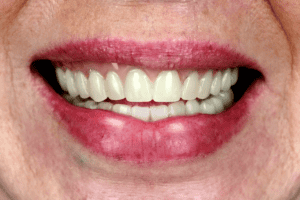

We are going to discuss what happens if a cavity is left untreated, and what options are available if tooth decay leads to more complex dental problems.
The early stages of tooth decay – how cavities form
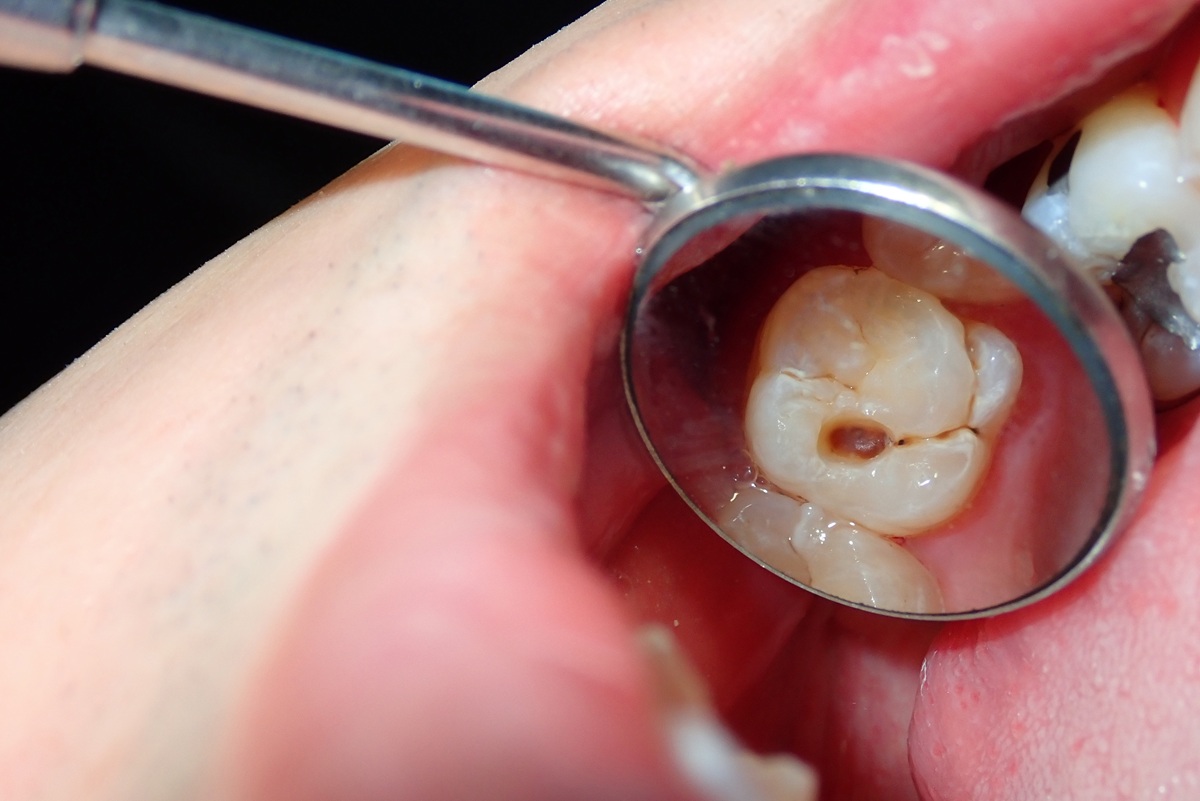
A cavity begins as a small area of enamel demineralisation, often caused by plaque buildup. Plaque is a sticky film of bacteria that forms on teeth when sugars and starches are left behind after eating or drinking.
When plaque is not removed through regular brushing and flossing, the bacteria produce acids that gradually weaken the tooth enamel.
At this early stage, the decay may not cause any symptoms, which is why regular dental check-ups are important.
A dentist can detect cavities in their earliest stages and provide treatment before they progress further. If left untreated, however, a cavity will continue to develop, affecting deeper layers of the tooth.

Pain and sensitivity as the cavity worsens
As a cavity grows, it reaches the dentin—the layer beneath the enamel. Dentin is more porous than enamel, which means decay can spread more quickly once it reaches this layer. At this stage, you may begin to notice symptoms such as:
- Sensitivity to hot, cold, or sweet foods and drinks
- Discomfort when biting or chewing
- A dull ache or occasional sharp pain in the affected tooth
These symptoms indicate that the decay is progressing and that the tooth is no longer protected by its outer enamel. Without treatment, the bacteria continue to penetrate deeper, eventually reaching the innermost part of the tooth—the pulp.

Infection and abscess formation
The pulp of the tooth contains nerves and blood vessels. When decay reaches this area, it can cause inflammation and infection, often leading to intense pain. This is known as pulpitis, and it can result in:
- Persistent toothache that may worsen at night or when lying down
- Swelling around the tooth or in the gums
- Pus discharge from the affected area
- A foul taste or bad breath
At this stage, a dental abscess may form. An abscess is a pocket of pus that develops as the body attempts to fight the infection. This can be extremely painful and may also lead to fever and general discomfort.
If the infection is not treated, it can spread beyond the tooth, affecting the jawbone and even other areas of the body.
Tooth loss and damage to surrounding teeth
An untreated cavity can ultimately lead to tooth loss. As the infection weakens the tooth structure, it may break or become too damaged to save. In some cases, the infection can spread to the surrounding teeth, increasing the risk of further decay and gum disease.
Gum disease (periodontitis) is a serious condition that can develop when bacteria from untreated cavities reach the gums.
This can lead to gum recession, bone loss, and eventually, the loosening or loss of multiple teeth. Advanced periodontitis not only affects oral health but can also contribute to other health concerns, such as an increased risk of heart disease and diabetes.

The impact of tooth loss on daily life
Losing a tooth due to decay can have a significant impact on everyday activities. It can affect the way you eat, speak, and smile, potentially leading to discomfort and self-consciousness.
- Chewing difficulties – Missing teeth can make it harder to chew certain foods, which may lead to changes in diet and nutrition.
- Speech changes – Depending on the location of the missing tooth, speech may be affected, causing difficulty in pronouncing certain words.
- Bone loss – When a tooth is lost, the jawbone in that area begins to shrink over time due to lack of stimulation. This can lead to further dental complications and changes in facial structure.
Treatment options for cavities and tooth loss
If a cavity is detected early, it can often be treated with a filling. However, if the decay has progressed, more advanced treatment may be necessary.
- Root canal treatment – When decay reaches the pulp, a root canal may be needed to remove the infected tissue and restore the tooth.
- Crowns – If a tooth has lost significant structure due to decay, a crown can help protect and strengthen it.
- Tooth replacement options – If a tooth cannot be saved, there are solutions available to restore function and aesthetics.
At Advanced Dental Artistry, we provide options such as:
- All-on-4 dental implants – A long-term solution for replacing multiple missing teeth. This treatment uses four implants to support a full arch of teeth, restoring both function and appearance.
- Porcelain veneers – If decay has affected the front teeth and a natural look needs to be restored, veneers can be an option. It is important to note that the tooth decay needs to be treated prior to receiving veneers.
- Full mouth reconstruction – For those with extensive dental concerns, a personalised approach can help rebuild a healthy, balanced smile.
Prevention is always ideal
While modern dentistry offers effective solutions for treating cavities and restoring lost teeth, the best approach is always to prevent decay before it becomes a problem.
A consistent oral hygiene routine and regular dental check-ups play a crucial role in keeping your teeth healthy and avoiding the complications that come with untreated cavities.
Daily habits for cavity prevention
Taking small, daily steps can significantly reduce the risk of tooth decay:
- Brush twice a day – Use a fluoride toothpaste and a soft-bristled toothbrush to clean all surfaces of your teeth.
- Floss daily – Flossing removes plaque and food particles from between the teeth where brushing alone cannot reach.
- Limit sugary and acidic foods – Bacteria thrive on sugars, producing acids that weaken enamel. Reducing sugar intake and drinking water after meals can help minimise damage.
- Stay hydrated – Drinking plenty of water throughout the day helps wash away food debris and neutralise acids in the mouth.
Regular dental visits make a difference
Even with great at-home care, professional check-ups are essential for catching early signs of decay. Regular visits allow for:
- Early detection – Dentists can spot cavities in their initial stages before they cause pain or require extensive treatment.
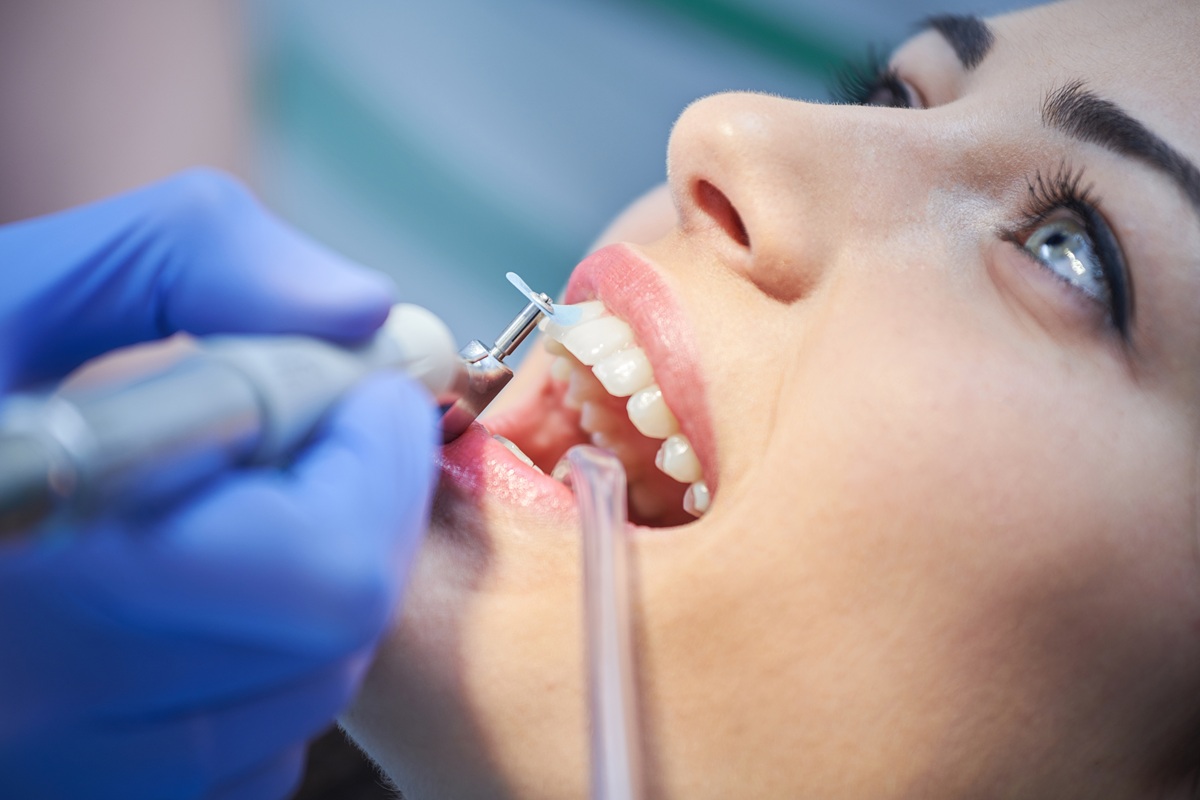
- Professional cleaning – Removing plaque and tartar build-up helps prevent cavities and gum disease.
- Fluoride treatments and sealants – Additional protective measures can be used to strengthen enamel and reduce the risk of decay.
By taking a proactive approach to dental care, you can help protect your teeth and avoid the need for complex treatments in the future.
However, if cavities or tooth loss have already become a concern, there are still options available to restore function and balance in your smile.
Taking the first step towards better oral health
Ignoring a cavity can lead to serious consequences, but the good news is that treatment is available at every stage. If you have concerns about tooth decay or have experienced tooth loss due to cavities or gum disease, seeking professional advice can help you explore the most suitable options for your needs.
At Advanced Dental Artistry, we are committed to providing compassionate, judgement-free care. Whether you need restorative treatment or are looking for ways to enhance your smile, we are here to guide you through the process in a way that feels comfortable and manageable.
If you would like to learn more about your options, we welcome you to reach out for a consultation. Taking the first step can make all the difference in maintaining a healthy, functional smile for the future.